RoboStream delivers robotics-AI engineering for client organizations across Canada and North America — not robots you purchase from us, not accredited training, and not a software subscription. Every discipline below is staffed by senior robotics engineers who supervise integration, functional safety and human-in-the-loop monitoring on lawful industrial automation work.
CH-01
Perception Pipeline Strategy & Architecture
Before a single ROS 2 node ships, we map what your operation actually needs to see. That means inventorying cameras, LiDAR units, joint-state publishers and diagnostics feeds; estimating bandwidth and latency budgets on your existing network; and deciding where edge inference belongs versus where a central fusion stage makes sense. For a warehouse scale-up last year, the critical insight was not a fancier model — it was recognizing that two APs shared a congested VLAN with handheld scanners. Strategy work produces a written architecture: ingest topology, sync approach, fusion responsibilities, monitoring hooks and a deployment roadmap with pilot milestones. We frame budgets honestly — discovery and architecture typically run C$18,000–C$45,000 depending on site complexity — and we never promise lights-out operation or zero incidents.
CH-02
Multi-Sensor Streaming & Time Synchronization
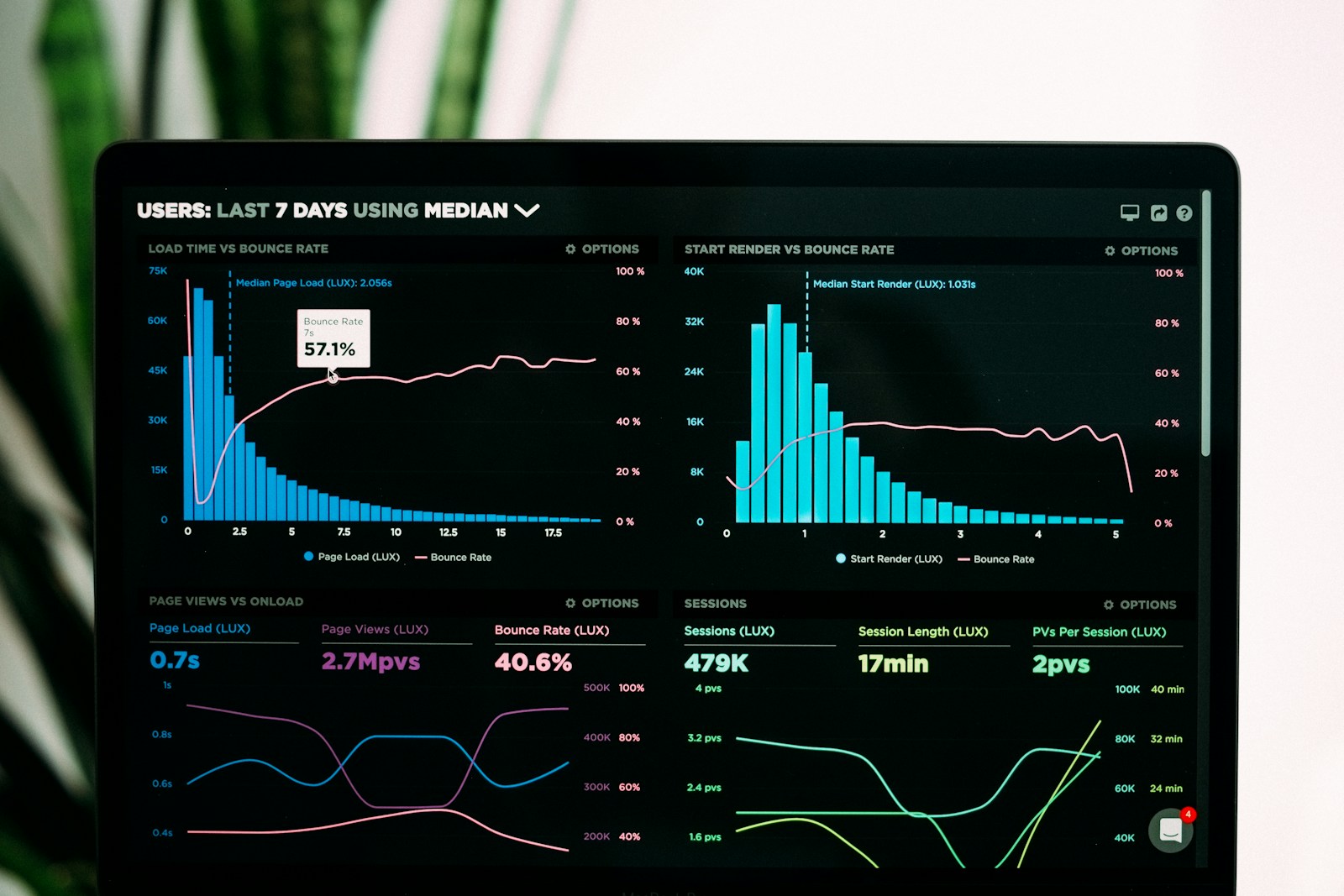
Live sensor pipelines fail quietly when sync drifts. We implement and tune drivers, ROS 2 bridges and transport layers so vision frames, LiDAR sweeps and actuator feedback describe the same instant — measured under motion, not just on a bench. Work includes buffer sizing for dropped-frame recovery, PTP or software sync where hardware allows, and explicit behaviour when a sensor drops offline mid-shift. A logistics pilot needed ingest rebuilt after cold-storage doors introduced intermittent multipath on Wi-Fi; we documented channel health metrics so operators saw degradation before autonomous navigation did. Integration projects in this discipline commonly range C$35,000–C$95,000 for a single-site pilot. Teleoperation and fleet orchestration hooks are scoped where humans must retain override authority.
Ingest dashboard — sync drift visible before fusion failsCH-03
Live Computer Vision & Sensor Fusion
Fusion is where perception streams become decisions — obstacle avoidance cues, grasp alignment, SLAM corrections and path planning inputs. We build and tune pipelines that combine LiDAR point streams with vision, respecting calibration drift and the fact that models trained on one shift's lighting may hesitate on the next. Edge inference is deployed only where latency demands it; we document fallback paths when confidence drops below human-verified thresholds. Manipulation and grasping engagements include explicit testing for reflective packaging and partial occlusions — edge cases that break demos but define production. Typical fusion integration work runs C$40,000–C$120,000 per cell or AMR stack, with ongoing retainer options for threshold tuning after layout changes.
Fused point stream — calibration checked under motionCH-04
Fleet Telemetry, Diagnostics & Observability
A telemetry dashboard that only turns red after a collision is observability in name only. We design fleet diagnostics feeds that surface channel health, frame-drop rates, inference latency and actuator anomalies while operators can still intervene. Dashboards tie to your existing ops tools where practical; we avoid locking you into proprietary black boxes. For multi-AMR deployments, fleet orchestration visibility includes which units share bandwidth-heavy perception loads and where teleoperation handoff must remain one button away. Projects range from C$25,000 for a single-site dashboard to C$80,000+ for multi-site fleet feeds with alerting runbooks. Reinforcement learning policies, when used, remain tied to logged telemetry — not unsupervised deployment.
CH-05
Sim-to-Real Validation of Live Data Paths
Simulation and digital twin replay are valuable only when fed with production-shaped data. We record live telemetry from pilots, replay it through simulation environments, and compare perception outputs against what the floor actually produced — closing the sim-to-real gap on data paths, not just physics. This discipline catches the second-camera-at-half-rate class of failures before they reach an unsupervised night shift. Validation engagements typically run C$30,000–C$75,000 and include documented pass/fail criteria agreed with your safety stakeholders. We do not certify compliance; we supply engineering evidence for your risk assessment process.
Perception pipelines are safety-critical when they drive motion. We work with your team on risk assessment alignment, fallback behaviours when confidence drops, and human-in-the-loop monitoring patterns that satisfy operational reality — not checkbox compliance. That includes supervised teleoperation paths, hard stops when sync is lost, and documented thresholds verified by your operators before production traffic. We support awareness of ISO 10218 and CSA expectations but do not provide legal or certification services. Safety integration work is scoped per project, commonly C$20,000–C$60,000 alongside pipeline disciplines. We work only on lawful, non-weapon, non-covert-surveillance applications.
Results honesty. Indicative CAD ranges are estimates, not quotes. Outcomes depend on your hardware, site conditions and integration choices. Robotic systems can mis-perceive; we do not guarantee full autonomy, zero downtime, specific throughput or complete safety. All deployments require human oversight and proper risk assessment.
Cookies & privacy — We use strictly necessary cookies and, with your consent, analytics and preference cookies. Consent choices are stored for six months. See our Cookie Policy and Privacy Policy.